 Cruises of Southeast Asia
The best time for a Mekong river cruise
Updated 2026-11-24 · Checked against the sources listed at the end
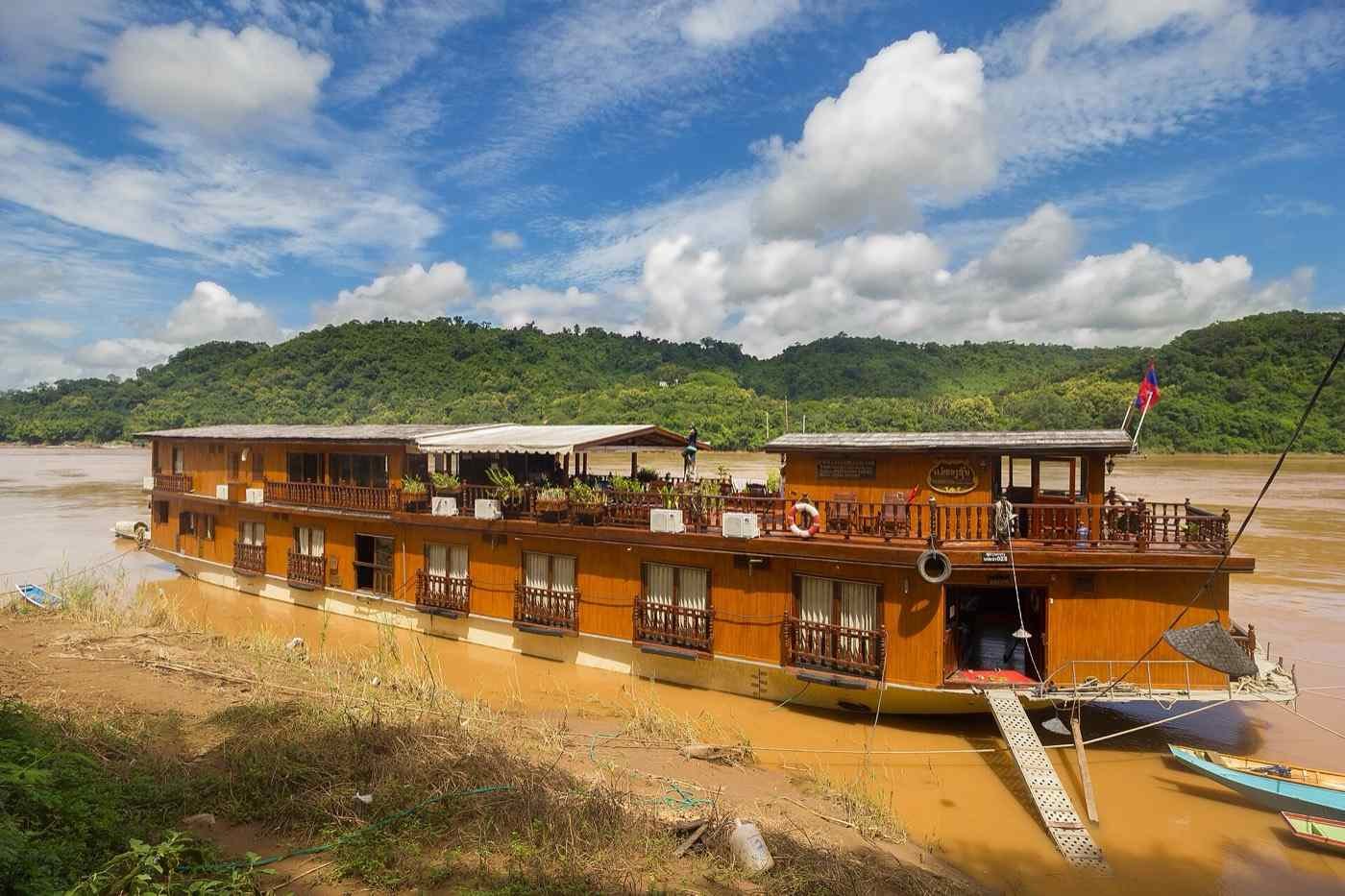
The Mekong Delta has two seasons rather than four, which makes the question of timing simpler than it is for northern Vietnam, but the answer still depends on what you want from the trip. Comfort points to one set of months, scenery and fruit to another, and a route that crosses into Cambodia adds the behaviour of a very unusual lake. This guide sets out what the sources agree on, where they differ and how to choose.
The two seasons
Local Vietnam, a long-established travel specialist, describes the delta as a tropical monsoon region with warm temperatures all year. Its dry season runs from December to April and is, in its words, the most popular time for travel: rainfall is minimal, the weather is sunny and humidity is lower. Vietnam’s national tourism board gives a similar frame for Can Tho, placing the dry season around December to April and the rainy season around May to November, and noting that early mornings are often best for floating-market visits.
The rainy season is less forbidding than the name suggests. Local Vietnam says rain falls most heavily from June to September, but that the downpours usually last an hour or two before clearing, and that floating markets and boat trips carry on. The countryside turns lush, and the fruit orchards are at their best, with durian, mangosteen and rambutan in season.
Month by month
| Months | Local Vietnam’s rating | What to expect |
|---|---|---|
| December, January | Very good | Clear skies, mild temperatures, low humidity |
| February, March | Very good | Warmer, mostly dry, river levels stable |
| April | Good | Hottest month, little rain, some small canals shallow |
| May, June | Alright | First showers, often late afternoon; fruit season begins |
| July to September | Alright | Heaviest rain, short bursts, high water |
| October, November | Good | Rain easing, rivers still high, more sunshine |
These ratings come from one source and describe the delta, not the whole river. Treat them as tendencies, not a forecast.
The trade-offs of each season
Dry season, December to April. The advantages are predictability and comfort. Boat trips, cycling and market visits rarely meet a downpour, and humidity is lower. The disadvantages are rising heat toward April and, late in the season, lower water, which Local Vietnam says can affect boat travel in certain areas. It is also the busiest period, and the run-up to Tet in January or February brings lively flower markets in Sa Dec but also crowded transport and closed businesses during the holiday itself.
Rainy season, May to November. The advantages are green scenery, fewer visitors and fruit. The disadvantages are humidity and the occasional heavy shower, with some rural roads turning muddy and low-lying areas flooding briefly in the peak months. Ask your operator whether a wet afternoon means a shifted excursion or a cancelled one.
Cambodia and the Tonle Sap
If your cruise continues past the border, the Tonle Sap enters the picture. Rainforest Cruises explains that Mekong water levels govern the direction of flow in the Tonle Sap River, which reverses between the wet and dry seasons. In the wet season, beginning around May or June, the lake grows to 10,000 square kilometres or more and a depth of about 14 metres, with levels at their highest in September and October. In the dry season it shrinks to about 2,800 square kilometres and only one to two metres deep.
That matters to a cruise in practical ways. The same guide says that floating villages and flooded forest are at their best from June to October, that the dry-season experience is far less spectacular, and that some trips to villages further out may be restricted or involve a mix of land and water travel. For birdwatching, December to February is best, though access reduces after February as water falls. A cruise that ends on the Tonle Sap River, as one nine-day listing does at Kampong Chhnang before a five to six hour road transfer to Siem Reap, will feel different at high and low water.
Which Tonle Sap villages you see changes with the water
Rainforest Cruises names four floating villages that visitors commonly reach. Chong Khneas is the gateway, reached from Siem Reap by road and then boat, and most of its inhabitants are Vietnamese. Prek Toal is about two hours by boat from Chong Khneas and is known for flooded forest and a bird sanctuary. Kampong Phluk is a Khmer village on giant stilts that are submerged in the monsoon, with access to flooded mangrove forest. Kampong Khleang is about two and a half hours from the main port, sees fewer tourists and has the largest population of the four. The same guide notes that around three million people live on or around the lake and earn their living from fishing and farming, and that the lake is a UNESCO biosphere reserve.
The practical lesson is to ask which village your cruise reaches in your month. At low water the nearer villages may be reached only by a mixture of road and boat, and the experience can be thin. At high water the stilts, the flooded trees and the boats moored at house level are what travellers come for.
Reading the evidence honestly
The advice in this guide comes from a small number of sources, and they agree more than they differ: dry season December to April, rainy season May to November, rain concentrated in the middle of the wet season, April the hottest month. Where they are less precise, such as on exactly when canals become too shallow for the smaller boats, we have said so. No source we opened gave a reliable figure for how often a cruise changes its route because of water levels, so we do not give one. Ask the operator for its own experience in your month, and ask for the answer in writing.
Festivals worth knowing about
- Tet, January or February. Preparations bring flower markets; during the holiday itself many businesses close and transport is under pressure.
- Ok Om Bok, November. A Khmer moon festival, most vibrant in Soc Trang and Tra Vinh, with lantern release and boat races.
- Ba Chua Xu Festival, April or May. Held at the temple in Chau Doc that cruises often visit, with large pilgrim crowds.
Local Vietnam gives several of these as ranges, such as January or February and April or May, so check the exact dates for the year you travel.
Heat and how to manage it
Even in the cooler months the delta is warm, and afternoons can be intense. Plan outings for early morning and late afternoon, rest through midday and choose a vessel with air-conditioned cabins and shaded deck space. Carry water, a hat and light long sleeves for sun and insects. If you are sensitive to heat, avoid April.
Choosing by priority
| If you want | Consider |
|---|---|
| The most comfortable weather | January to March |
| Greener scenery and fewer visitors | June to November, accepting showers |
| Flooded forest and floating villages on the Tonle Sap | Roughly June to October, peak September and October |
| Birdwatching in Cambodia | December to February |
| Orchard fruit | Rainy season, when durian, mangosteen and rambutan ripen |
What can go wrong
Programmes on a river can change at short notice. Itineraries are marked subject to change on at least one operator listing, and water level, weather or festival closures can alter a stop. Ask what the alternative is at low and high water, who decides, and whether a changed excursion leads to any adjustment. Avoid same-day onward flights, and note that one river line suggests arriving in Ho Chi Minh City before ten in the morning on boarding day.
Pairing with the north of Vietnam
If you also plan Ha Long Bay, the seasons pull in different directions: the south’s dry season falls in the north’s cool, foggy winter. Many travellers find the shoulder months comfortable in both. See the best time to cruise Ha Long Bay and cruise or land tour in northern Vietnam.
Our suggestion
For a first Mekong cruise, aim for January to March, when the weather is at its kindest and the river is easy. If you are happy with a shower and want fewer visitors, the months from late October to November give high water and increasing sunshine. Tell us how you feel about heat and what you most want to see, and our travel designers will propose a month and a route. See the Mekong guide, our cruises or contact us.
Frequently asked questions
What is the best month for a Mekong delta cruise?
Local Vietnam rates December, January, February and March as very good months, with April and the late rainy months October and November as good. If you want one answer for a first trip, aim for January to March.
Is it a mistake to cruise in the rainy season?
Not necessarily. Local Vietnam describes rain as frequent but mostly short, often an hour or two, and says activities continue. You trade some comfort for greener scenery, fewer visitors and fruit orchards at their best.
When is the Tonle Sap at its fullest?
Rainforest Cruises says the lake grows to 10,000 square kilometres or more in the wet season, with levels highest in September and October, and shrinks to about 2,800 square kilometres in the dry season.
Which month is hottest?
Local Vietnam names April as the hottest month in the delta, with heat and humidity that can feel intense in the afternoons.
Do festivals affect a Mekong cruise?
They can. Tet, falling in January or February, closes many businesses and strains transport, while the Khmer Ok Om Bok festival in November brings boat races to Soc Trang and Tra Vinh.
Watch: Victoria Mekong (Victoria Mekong II)
From the operator's own channel.
Cruises mentioned in this guide
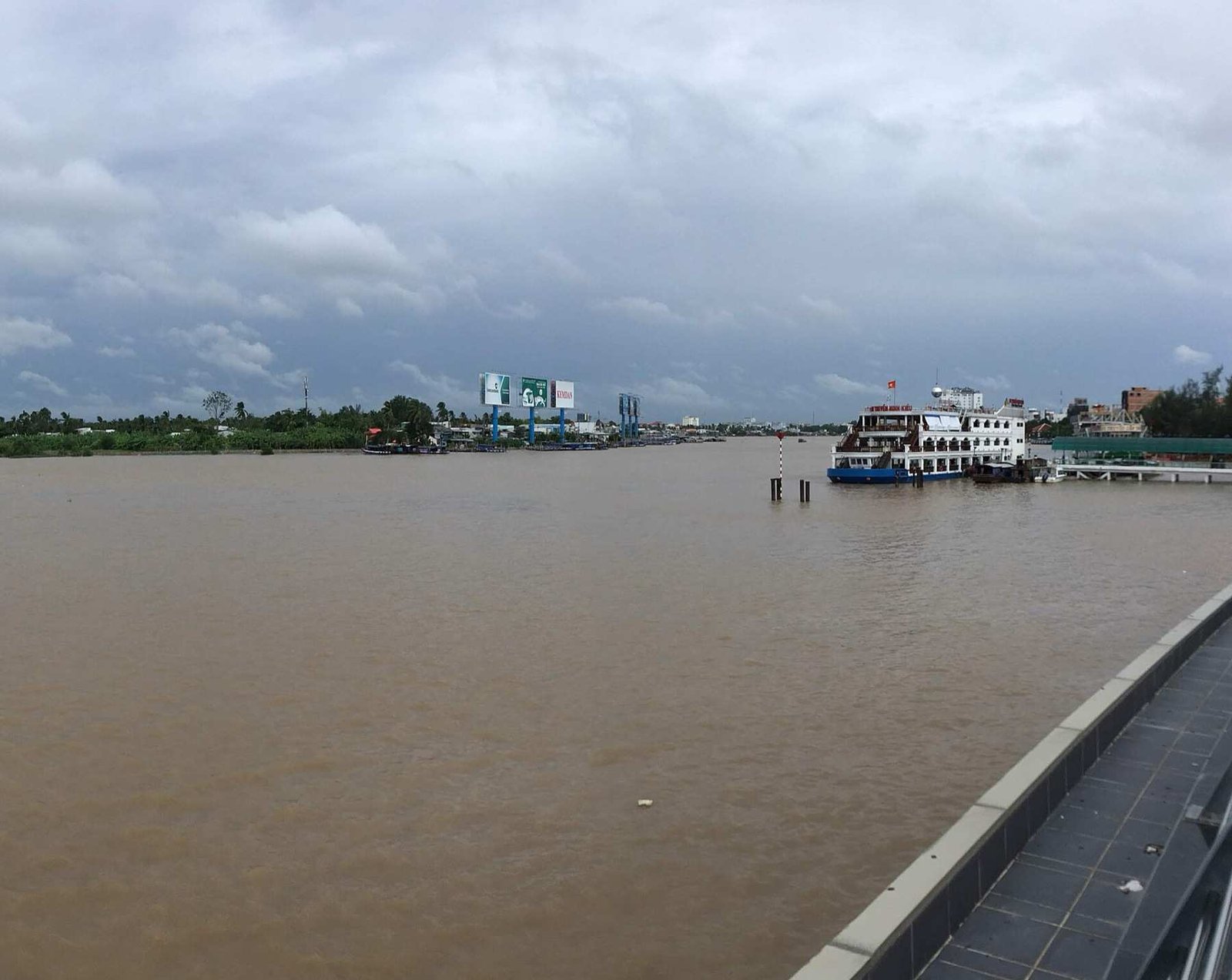
AmaDara
Mekong River between Ho Chi Minh City / My Tho and Phnom Penh · 8 days · 60 cabins
- Balcony
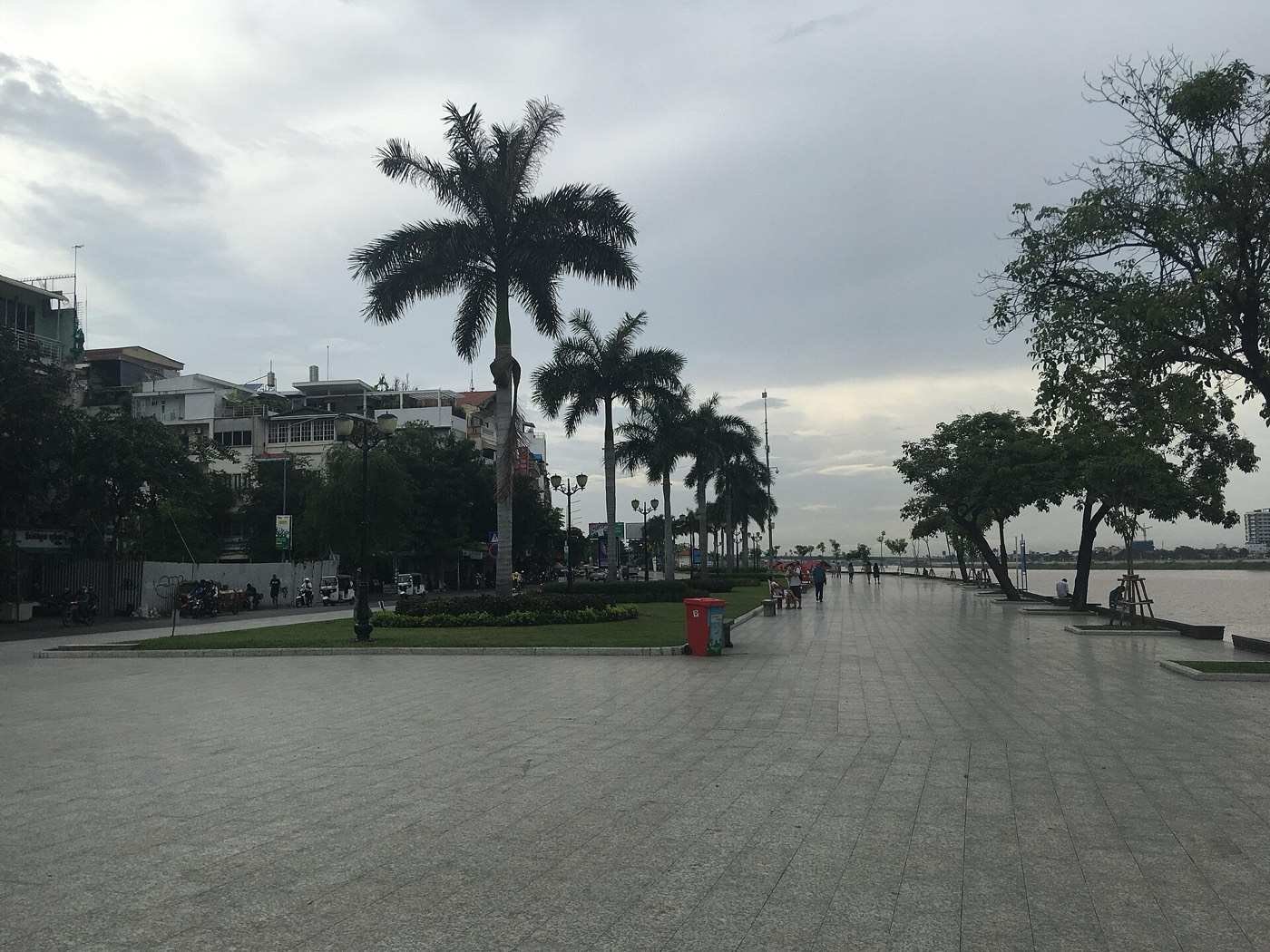
Victoria Mekong (Victoria Mekong II)
Mekong River · 4 to 8 days · 35 cabins
- Balcony
- Lift
Ask a travel designer
A reply within 12 to 24 hours with availability and a firm price. Nothing is charged. Or call or message us: +44 7520 660929 or WhatsApp.
Ready to choose a cruise?
See every cruise with cabins, hour-by-hour itineraries and prices, or talk to a travel designer.
Find my cruise in 60 seconds Browse all cruises Talk to us